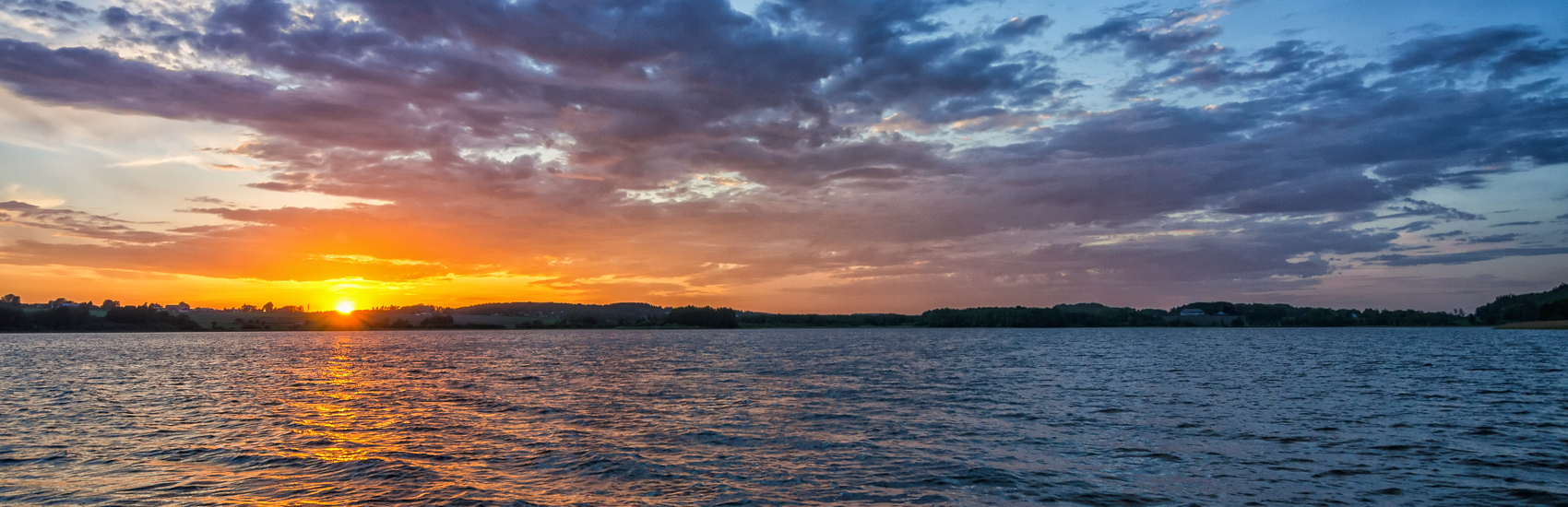
LAKEHILLS, TEXAS: HILL COUNTRY PLAYGROUND ON THE LAKE
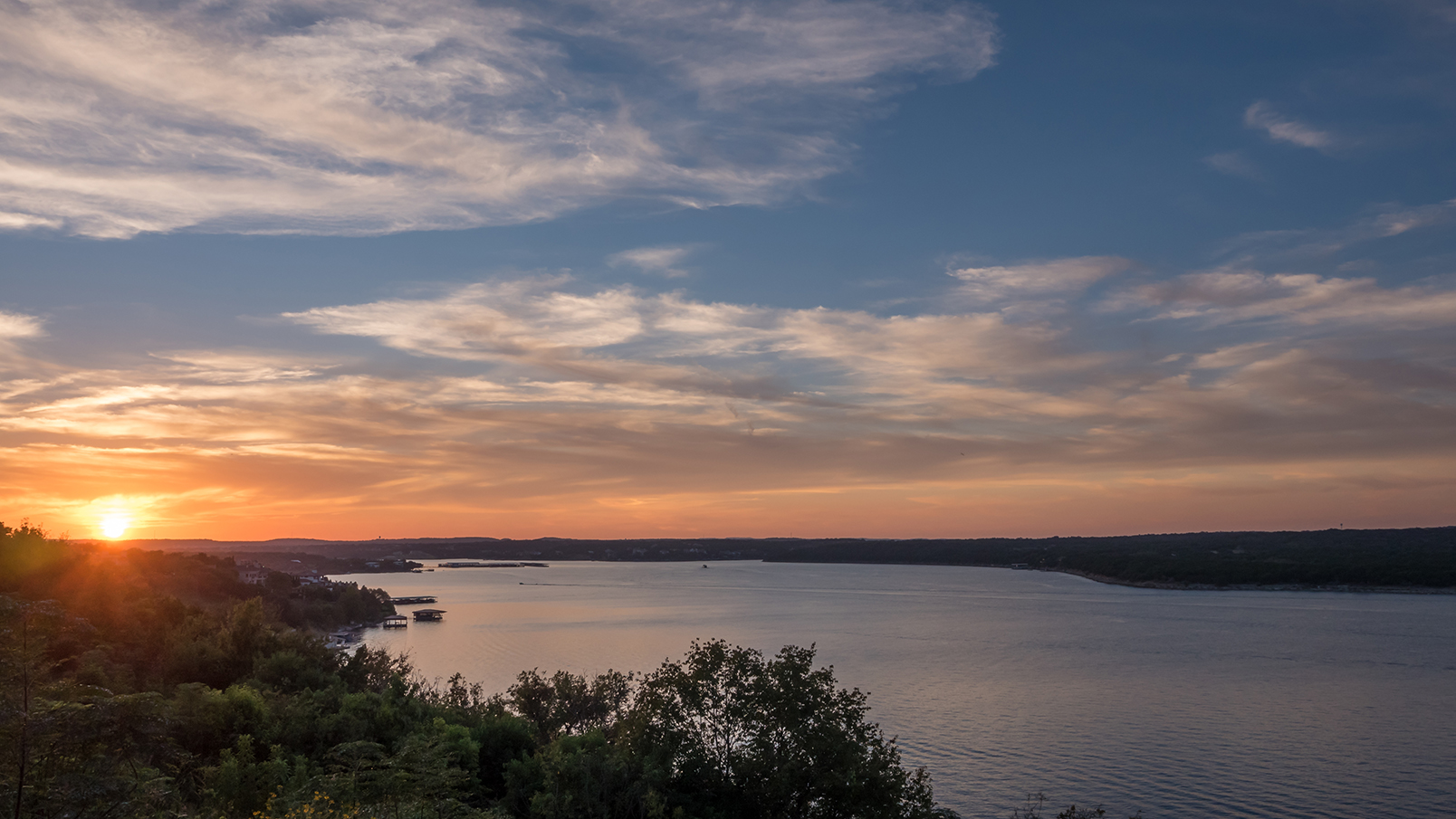
For a look at vacation homes available in Lakehills, follow this link for more details!
Many Hill Country communities have common historical threads. Indigenous tribes made it their home for centuries, taking advantage of the resources of the regions of the Medina River Valley and Edwards Plateau. By the mid-1840s, European immigration was in full swing, and German, French, and Belgian people moved to the area to take advantage of its rich farming and ranching land. Many of those farms and ranches are maintained by the descendants of the original settlers.
In that respect, you might consider the town of Lakehills to be a little “late to the party.” While towns like Bandera, Castroville, and Medina were founded and settled along the Medina River in the 1840s, using the waters as the lifeblood of their agricultural and ranching endeavors, you could almost say a town like Lakehills couldn’t exist until the Medina River underwent a transformation...and that wouldn’t happen until 1913.
In the 1890s, flooding of the river wreaked havoc on the local lumber industry. In order to control those floods, and to redirect water to farms and ranches, an independent group of American and British investors called the Medina Irrigation Company decided to dam the Medina in the box canyon about 20 miles southeast of Bandera. To facilitate the building of the dam, the community of Mico (an abbreviation of company’s name) was established, essentially as a worker’s camp.
The Medina Dam was built between 1911 and 1912, and was officially completed in 1913; it took 1,500 men working around the clock. Though it was nearly dry for a year, by 1913 the dam had done its job, and the reservoir of Medina Lake was formed. The dam’s effects on the local economy, and its importance as infrastructure, earned it a place on the National Register of Historic Places in 1976. Also, Lakehills came into being!
Well, sort of. Mico, at the site of the dam, took the name Medina Lake, and a new town was founded to the north, named Upper Medina Lake. Developers saw the lake was not only of agricultural and industrial use, but could also draw tourists to its waters. By the 1920s, the US had begun its love affair with the automobile, and recreational traveling was increasing. Local developers planned roadwork and other improvements in the area to draw visitors to the lake.
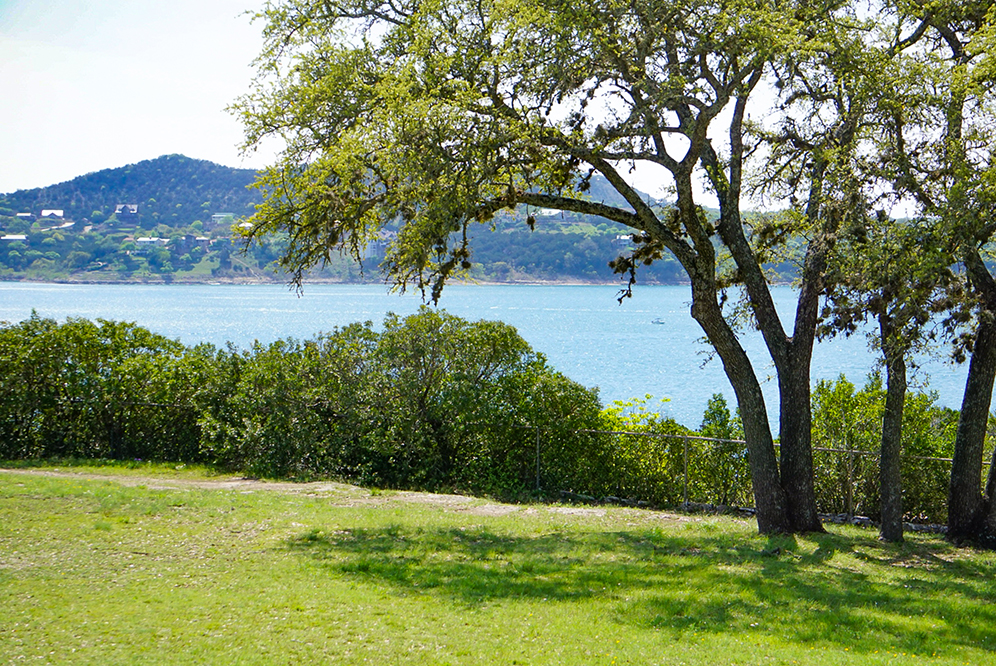
Unfortunately, the Great Depression and World War II delayed those plans. As a result, the community of Upper Medina Lake didn’t see much growth until those plans could be implemented in the 1950s. When a post office was established there in the 1960s, Upper Medina Lake adopted its modern name of Lakehills, and Medina Lake reverted to its original name, Mico.
From its inception, Lakehills is unique among its Hill Country counterparts in that it evolved almost exclusively as a recreational spot. Since the 1960s the recreational economy there has grown, as has the population; Lakehills has bloomed from 300-some citizens in the 1970s to over 5,100 today.
While being an idyllic lakeside getaway has its advantages, sometimes locals in Lakehills find themselves at the mercy of Mother Nature. Rainfall, or the lack thereof, can create boom-or-bust cycles around Lake Medina. This My San Antonio article from January of 2013 chronicles the sense of unease the region endured for several years during a drought phase. Residents started to leave, and some businesses closed.
The weather rebounded in 2015, refreshing the area with steady rains. Medina Lake rose from catastrophically low levels to 100 percent full in the space of just over a year and a half, and both agriculture and tourism were revived. Authorities are studying the situation, and are looking at ways to deflect the damage caused by drought phases, another of which the area appears to be entering currently. While there is plenty to do in the region beyond the lake, we recommend our guests check with us for water level details if that aspect is important to them.
All the aspects of a visit to Lakehills can explored by scrolling to the bottom of this page! We’ve scoured the region for business and attraction information, and have conveniently sorted it into categories of interest for you. You’ll find plenty to see and do in the area, so you can plan your getaway like a pro!
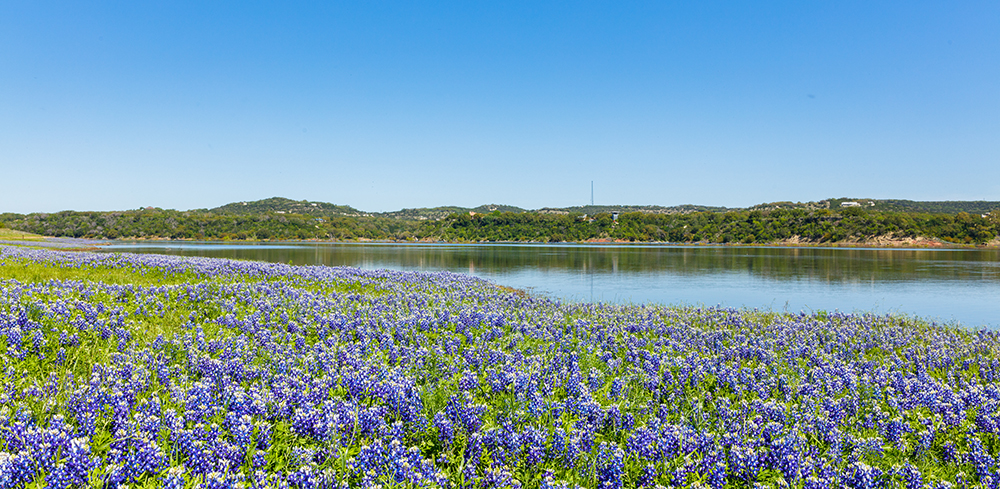
If you're planning a Hill Country trip and want to go deeper than this article — finding the right small towns, lining up a route, picking lodging that fits how you actually like to travel — we've built a few places that can help.
The Hill Country App covers 40+ towns and 3,000+ local businesses across wineries, swimming holes, restaurants, lodging, and events. Easy to use on the road, useful for planning before you leave.
For something more personalized — recommendations tailored to your timing, your interests, and the kind of trip you want — explore the Hill Country for routes, picks, and trip ideas built around what you're actually looking for.
And if you want to swap stories, hidden gems, and local recommendations with people who know the area, join our Texas Hill Country Facebook Group — that's where the conversation happens.
Explore the Hill Country
The Backroads Hill Country Travel App

Antiques

Restaurants

Bars

Kid Friendly

Parks

Stores